
Trump Coin Tests US Currency Law
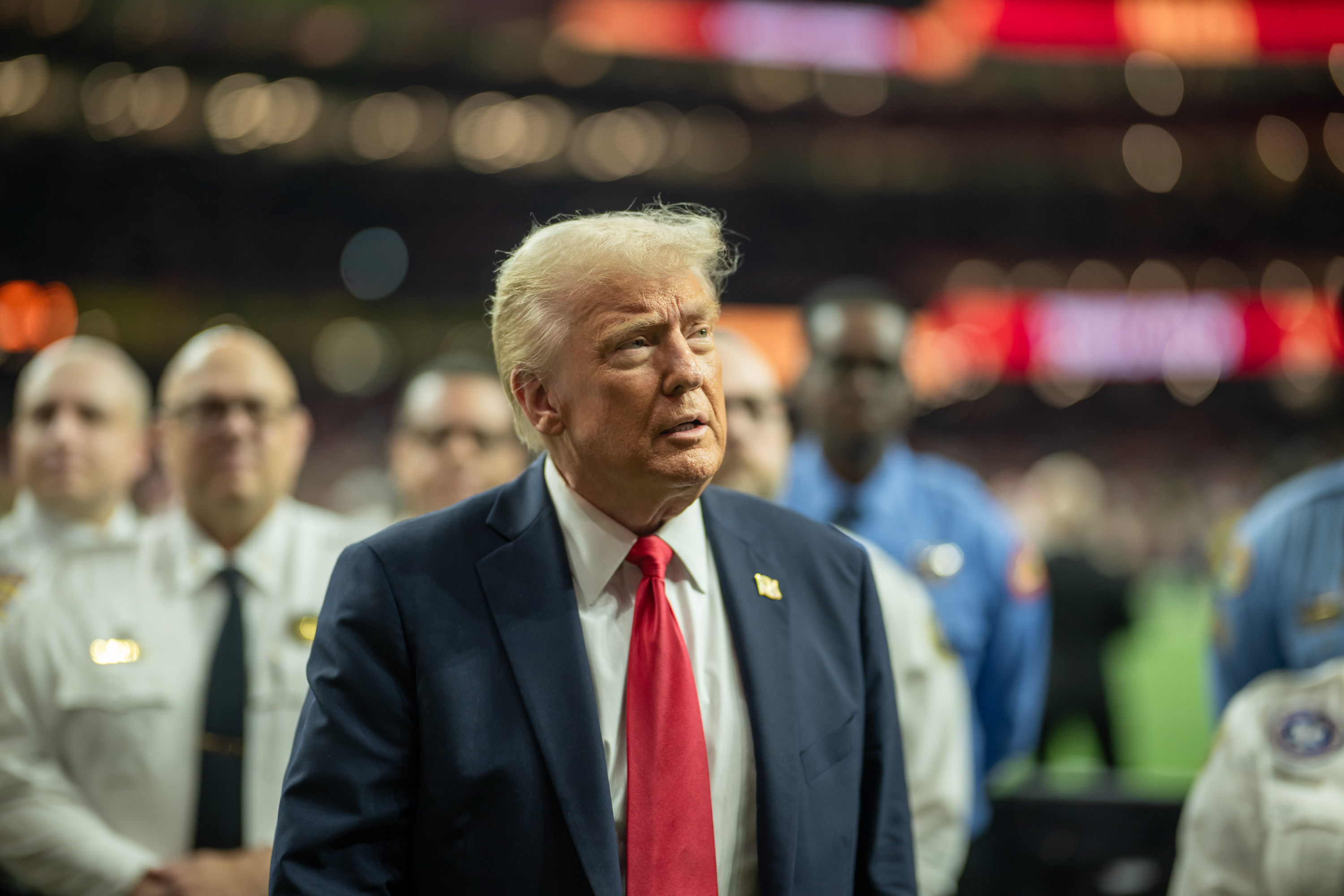
The release of a $1 coin bearing Donald Trump’s image has reopened a legal debate over whether living people should appear on US currency. The coin, produced for America’s 250th anniversary, is being issued despite longstanding restrictions and traditions designed to keep current political figures off national money.
The dispute turns on a messy legal framework. Congress passed an 1866 restriction barring the portrait or likeness of living people from appearing on currency, after controversy over a Treasury official placing his own image on a note. The complication is that some of the relevant rules apply differently to paper money and coins.
Treasury secretary Scott Bessent has argued that the Trump coin has historical precedent, pointing to Calvin Coolidge appearing on a coin during America’s 150th anniversary. Critics argue that later laws, including restrictions passed in 2005, make the Trump coin legally questionable.
The challenge has already reached court. Retired attorney James Rickher filed a request to block the coin, but a federal judge denied the motion in June, finding that he had not shown concrete personal harm. Crucially, the ruling did not decide whether the coin itself is legal.
That leaves the coin in an unusual position: legal tender, but still surrounded by unresolved legal doubt. For lawyers and public-law observers, the issue is not only the metal object itself, but the wider boundary between symbolism, executive power and statutory restraint. When political branding moves onto currency, the question becomes whether tradition alone can still hold where enforceable law appears uncertain.